Film Guides / Genres explained
Science fiction and fantasy
What separates science fiction from fantasy, the major subgenres, how visual effects shaped both, and landmark films from A Trip to the Moon to modern epics.
Science fiction and fantasy are the genres of imagination. They show audiences worlds that do not exist, or not yet. The usual distinction is simple: science fiction imagines things that could be explained by science and technology, even if invented; fantasy includes things that cannot, such as magic, myths and impossible creatures. In practice, many films blend both, which is why bookstores and streaming menus often group them together as "speculative fiction."
Where it began
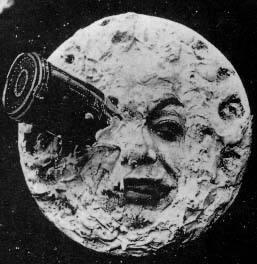
Cinema and fantasy were partners from the start. The French magician-turned-filmmaker Georges Melies used camera tricks such as stop substitution and multiple exposure to make objects appear, vanish and transform. His A Trip to the Moon (1902), with its famous image of a capsule lodged in the eye of the Moon, is one of the most recognized early films. See Georges Melies.
In 1927 Fritz Lang's Metropolis imagined a vast futuristic city and a robot double, with designs that influenced decades of science fiction.
Subgenres
| Science fiction | Fantasy |
|---|---|
| Space opera: big adventures across the stars | High fantasy: invented worlds, quests, magic |
| Hard sci-fi: careful attention to real science | Fairy tale: enchanted forests, curses, wishes |
| Dystopia: troubled future societies | Sword and sorcery: heroic adventures |
| Cyberpunk: high tech, gritty cities, hackers | Urban fantasy: magic hidden in the modern world |
| Time travel: paradoxes and changed histories | Mythic fantasy: retold legends and gods of old stories |
| First contact: meeting non-human life | Animated fantasy: hand-drawn and digital dream worlds |
Landmark films
| Film | Year | Why it matters |
|---|---|---|
| A Trip to the Moon | 1902 | Early trick-film classic |
| Metropolis | 1927 | Visionary city design and effects |
| The Wizard of Oz | 1939 | Technicolor fantasy beloved for generations |
| 2001: A Space Odyssey | 1968 | Realistic spaceflight effects, ambitious ideas |
| Blade Runner | 1982 | Defined the look of cinematic cyberpunk |
| The Matrix | 1999 | Popularized "bullet time" effects |
| Spirited Away | 2001 | Hayao Miyazaki's fantasy, an Academy Award winner for Best Animated Feature |
| The Lord of the Rings: The Return of the King | 2003 | Won 11 Academy Awards, including Best Picture |
Effects and genre grew together
These genres push technology forward because they need to show what does not exist. Over the decades they drove advances in miniatures, matte paintings, stop-motion animation, animatronics, motion control cameras, computer-generated imagery and performance capture. See visual effects.
Even with modern tools, many directors mix practical effects (real models, sets and makeup) with digital work, because physical objects give actors something to react to and catch real light.
Worldbuilding
Great science fiction and fantasy films build believable worlds with their own rules, histories, languages and design. Production designers, costume designers and concept artists often create far more detail than ever appears on screen. When the rules are consistent, audiences accept the impossible.
Why the genres endure
Science fiction lets filmmakers explore big questions about technology, identity and the future in a safe, imaginative frame. Fantasy taps into the oldest storytelling traditions, from folk tales to epic quests. Both offer spectacle that suits the largest screens, which is why they are a mainstay of IMAX and other premium formats.
Watch an early effects film like A Trip to the Moon and a modern effects-heavy epic in the same week. The tools have changed enormously; the goal of making audiences believe the impossible has not.