Film Guides / Film history
Film history
From magic lanterns and the Lumiere brothers to sound, color, widescreen, blockbusters and streaming.
Cinema is barely 130 years old, yet it reinvented itself again and again: silent to sound, black and white to color, square frames to widescreen, film to digital. Each guide covers one turning point, what changed on screen and why it still matters every time you buy a ticket.
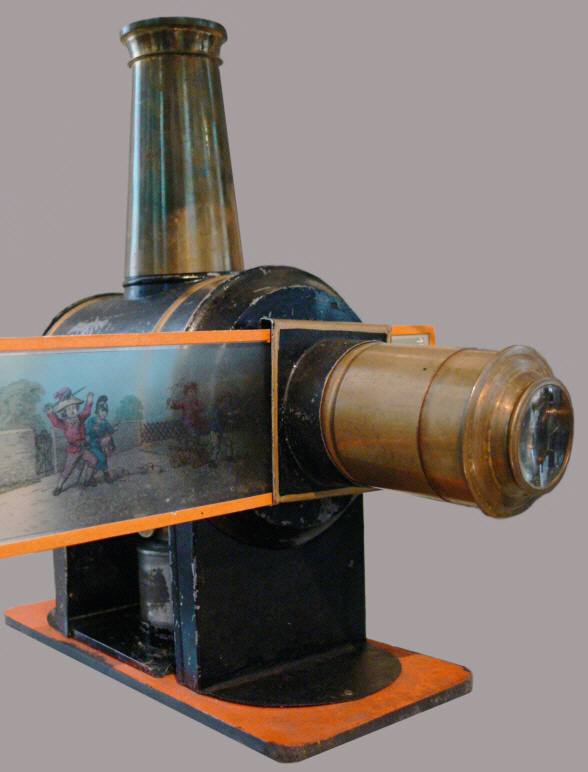 HistoryBefore cinema: magic lanterns and moving picturesLong before the first film screening, people projected painted glass slides, spun optical toys and photographed galloping horses. Here is how those inventions led straight to the movies.
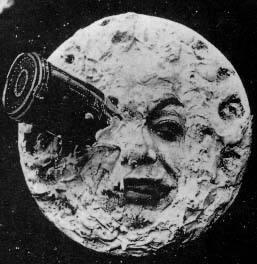 HistoryGeorges Melies, the magician who invented movie magicA Paris stage magician turned the new Cinematographe into a machine for fantasy, inventing many of the first special effects and the famous rocket in the eye of the moon.
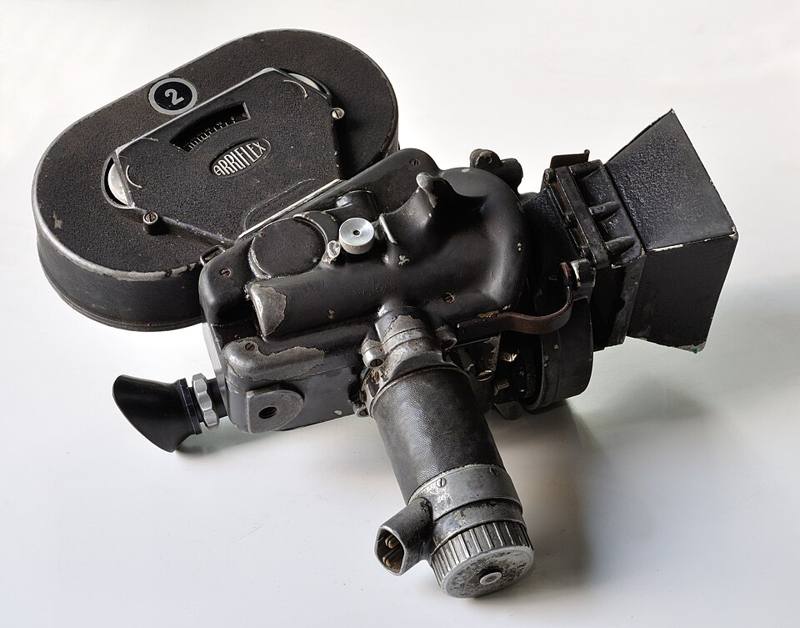 HistoryNew Hollywood: when directors took control (1967 to 1980)As the old studio system collapsed, a generation of young directors made personal, daring films that reshaped American cinema. Here is what New Hollywood was, who led it and how it ended.
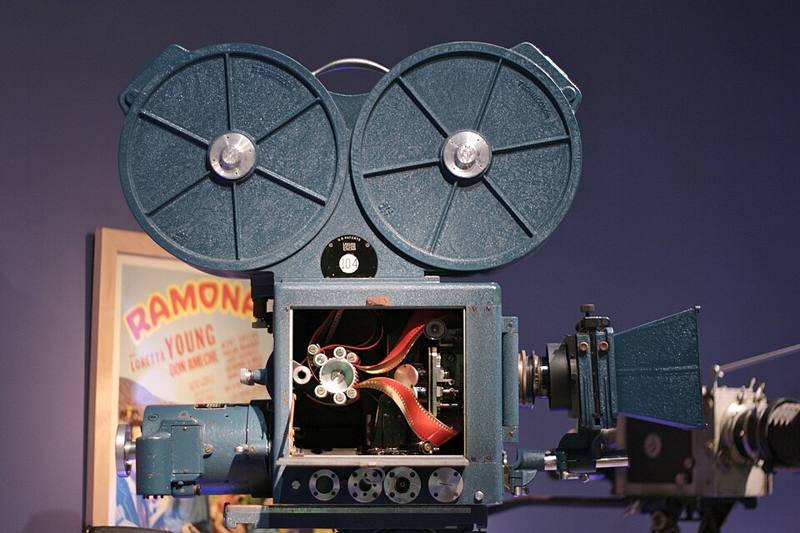 HistoryTechnicolor and the arrival of colorFilms were colored by hand, stencil and dye long before Technicolor's famous three-strip camera. Here is how movie color evolved from painted frames to digital grading.
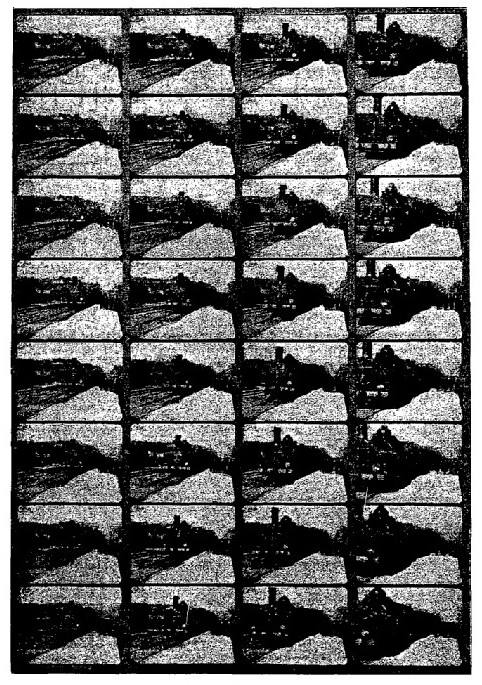 HistoryThe Lumiere brothers and the first film screeningsIn December 1895 Auguste and Louis Lumiere charged admission to watch projected films in a Paris cafe basement. Here is how their Cinematographe worked and why it changed everything.
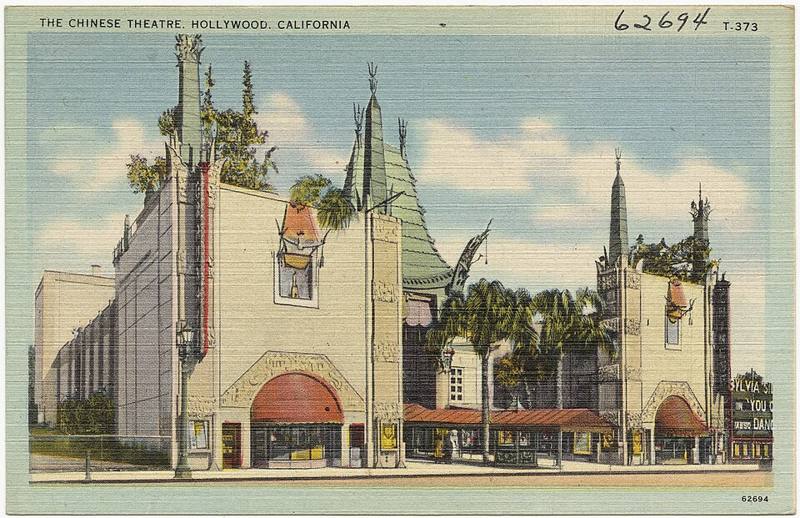 HistoryThe blockbuster era: summer hits, franchises and global box officeSince the mid-1970s, the movie business has revolved around huge event films released everywhere at once. Here is how the blockbuster model works and how it grew from Jaws to global franchises.
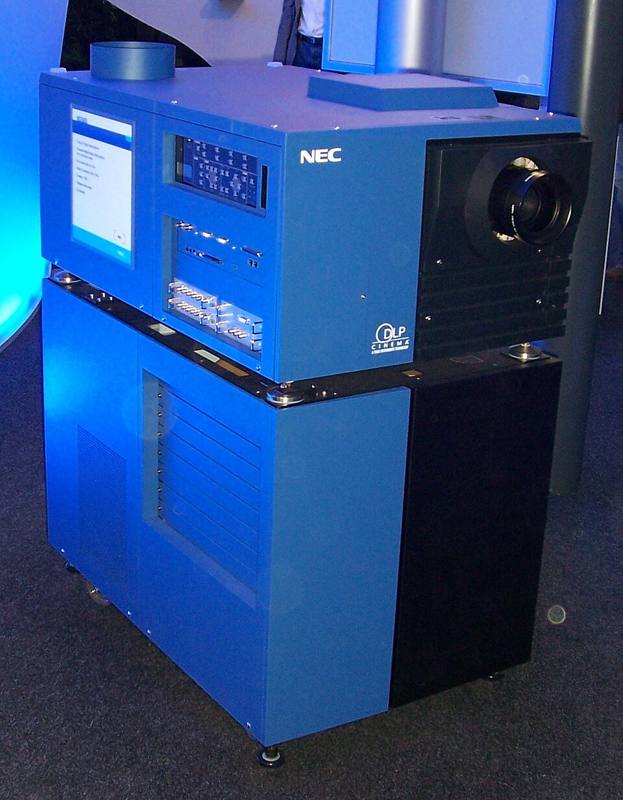 HistoryThe digital and streaming eraIn about 20 years, cinema moved from film reels to digital files, and home viewing moved from video stores to streaming. Here is what changed for filmmakers, cinemas and audiences.
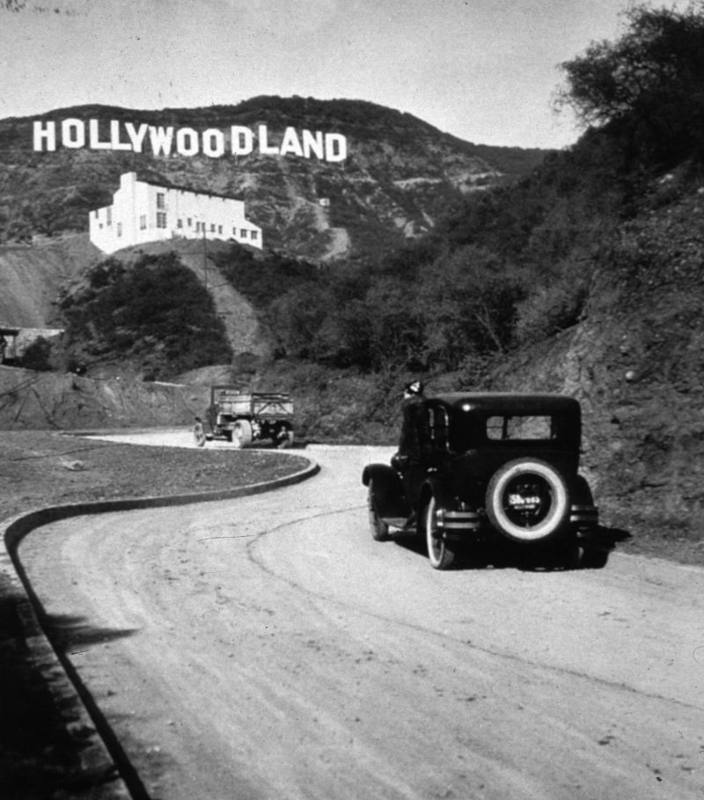 HistoryThe silent era: how movies grew up without soundFrom nickelodeons to grand movie palaces, the silent era (about 1895 to 1929) invented the feature film, the star system, Hollywood and the language of editing. And it was never really silent.
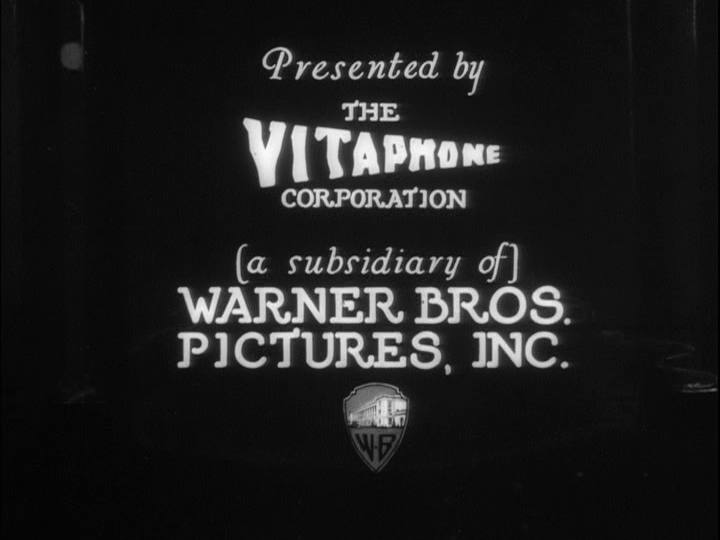 HistoryThe talkies: how sound came to the moviesIn just a few years at the end of the 1920s, synchronized sound transformed cinema. Here is how sound-on-disc and sound-on-film worked, and what the switch changed on set and on screen.
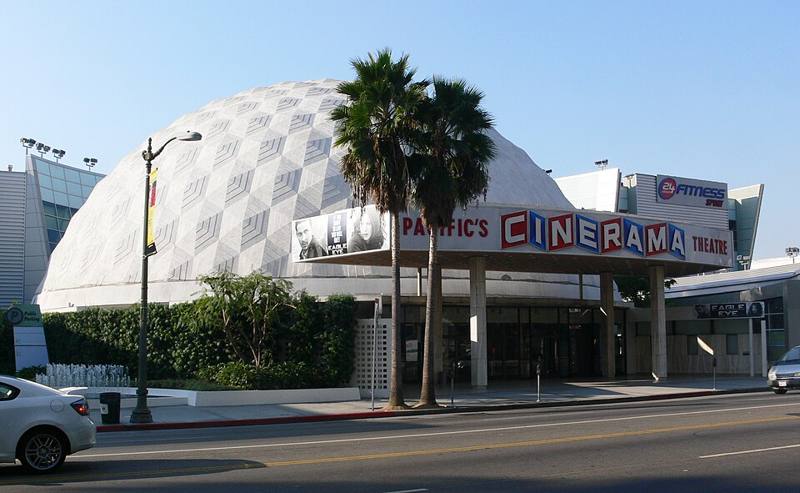 HistoryThe widescreen revolution of the 1950sWhen television kept audiences at home, cinemas fought back with screens that were wider, curved and bigger than ever. Here is how Cinerama, CinemaScope, VistaVision and 70mm reshaped the frame.