New Hollywood: when directors took control (1967 to 1980)
As the old studio system collapsed, a generation of young directors made personal, daring films that reshaped American cinema. Here is what New Hollywood was, who led it and how it ended.
"New Hollywood," sometimes called the American New Wave, describes a period from roughly 1967 to 1980 when a new generation of filmmakers gained unusual creative freedom inside the American film industry. Their films were more personal, more ambiguous and often darker than the polished studio pictures that came before.
Why the old system broke
By the mid-1960s, Hollywood was in trouble:
- The studio system had weakened. After a 1948 antitrust ruling, the studios had to sell their theater chains. Actors and directors were no longer locked into long contracts.
- Television had taken the mass audience. Weekly cinema attendance had fallen dramatically from its 1940s peak.
- Expensive musicals and epics failed. Several costly productions lost large sums of money in the late 1960s.
- The audience was changing. Younger viewers wanted films that reflected their own lives and questions.
Studio executives, unsure what audiences wanted, began to give young directors more control, often on modest budgets.
The end of the Production Code
From the 1930s, American films had to follow the Production Code, a strict set of content rules enforced by the industry itself. By the 1960s it was crumbling. On November 1, 1968, the Motion Picture Association replaced it with a rating system, which let films for adults be made openly while giving parents guidance.
| Rating (US) | Introduced | Meaning today |
|---|---|---|
| G | 1968 | General audiences |
| PG | 1968 as M, renamed GP in 1970 and PG in 1972 | Parental guidance suggested |
| PG-13 | 1984 | Some material may be inappropriate for children under 13 |
| R | 1968 | Under 17 requires accompanying parent or adult guardian |
| NC-17 | 1990 (replaced X) | No one 17 and under admitted |
Other countries have their own classification systems; in Saudi Arabia, for example, films are classified by age before release. See Saudi cinema.
The films that opened the door
Two films from 1967 are often named as the start of the movement: Bonnie and Clyde and The Graduate. Both borrowed ideas from European art cinema, especially the French New Wave, with jump cuts, unexpected tone shifts and endings that refused easy comfort. Easy Rider (1969), made for a small budget, earned many times its cost and convinced studios that young filmmakers could find a big audience.
The film school generation
New Hollywood is closely linked with directors who had studied film at university or learned in low-budget production, and who knew film history deeply. They included Francis Ford Coppola, Martin Scorsese, George Lucas, Steven Spielberg and Brian De Palma, alongside others such as Robert Altman, Hal Ashby, Peter Bogdanovich and Terrence Malick.
The idea behind much of their work came from the "auteur theory" developed by French critics: the director as the true author of a film, with a recognizable personal style. Landmark films of the period include The Godfather (1972), American Graffiti (1973), Chinatown (1974), Nashville (1975) and Annie Hall (1977).
A new look and sound
Changes in technology helped shape the style:
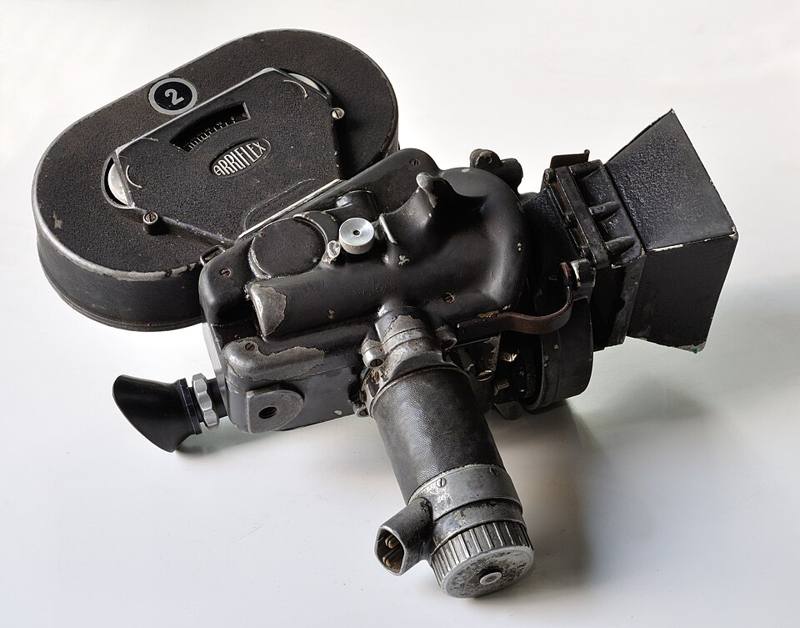
- Location shooting. Lighter cameras and faster film stocks made it easier to film on real streets instead of studio backlots. See cameras and lenses.
- Natural light. Cinematographers embraced grain, shadows and available light. See lighting.
- The Steadicam. Invented by Garrett Brown and first used in features in 1976, it allowed smooth moving shots without tracks.
- Popular music soundtracks. Rock and pop songs replaced many traditional orchestral scores.
- Overlapping dialogue. Robert Altman in particular recorded many actors talking at once for a more natural feel. See film sound.
How it ended
Ironically, two films by New Hollywood directors ended the era's freedom. Jaws (1975) and Star Wars (1977) earned so much money that studios refocused on big, high-concept films with wide releases and heavy marketing. At the same time, a few very expensive productions went far over budget, and Heaven's Gate (1980) is often cited as the film that made studios take control back from directors.
That turn is the beginning of the blockbuster era.
The legacy
New Hollywood created many of the classics that still top critics' lists, and it established the director as a celebrity author. Its spirit lives on in independent film, festival cinema and the filmmakers who still fight for final cut.
Watch a film from the early 1970s and then one from the late 1980s by the same director. You will often see the shift from loose, observational storytelling toward tighter, more commercial structure.