The silent era: how movies grew up without sound
From nickelodeons to grand movie palaces, the silent era (about 1895 to 1929) invented the feature film, the star system, Hollywood and the language of editing. And it was never really silent.
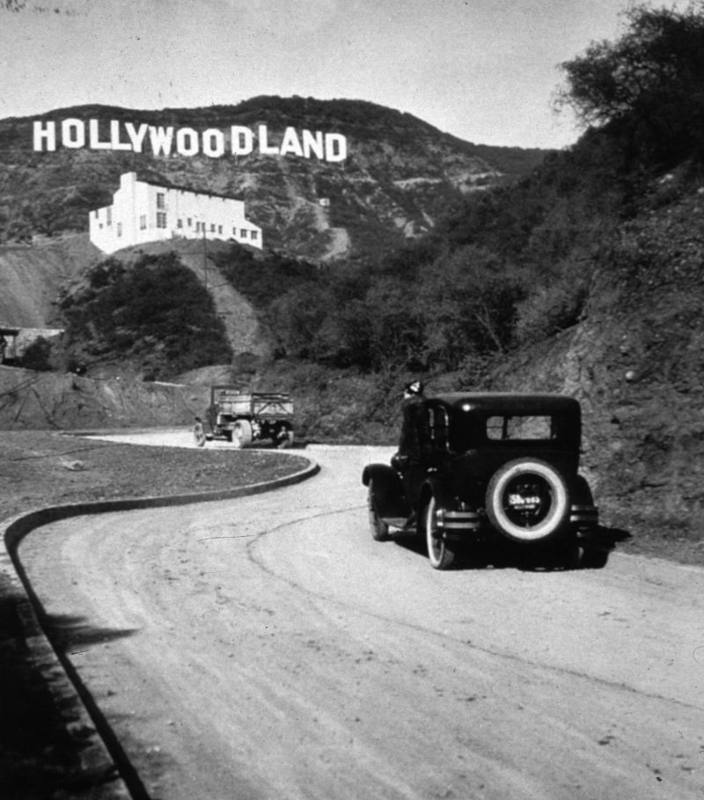
The silent era runs roughly from the first screenings in 1895 to the end of the 1920s, when synchronized sound took over. In about 30 years, filmmakers went from one-minute single shots to feature-length epics, and they invented most of the visual grammar that movies still use.
Never actually silent
"Silent film" only means there was no recorded, synchronized dialogue. Screenings were full of sound:
- Live music. Small venues had a pianist; big theaters had orchestras or huge theater organs built to imitate instruments and sound effects.
- Cue sheets and scores. Studios sent suggested music with prints, and some major films had full original scores.
- Lecturers and narrators. In some countries, a live narrator explained the story. In Japan, these performers, called benshi, were stars in their own right.
- Intertitles. Printed cards between shots carried dialogue and narration, and were translated for each country, which made silent films easy to export.
From nickelodeons to movie palaces
At first, films were shown in vaudeville theaters, fairgrounds and rented halls. Around 1905, small storefront cinemas called nickelodeons (a nickel for admission) spread rapidly across the United States. Within a few years there were thousands of them.
As films grew longer and audiences grew richer, owners built "movie palaces" with thousands of seats, ornate lobbies, uniformed ushers and orchestra pits. Famous examples include the Roxy in New York and Grauman's Chinese Theatre in Hollywood, both opened in 1927. The idea that going to the movies is an event, with a lobby, a big screen and good sound, comes from this period.
The birth of Hollywood
American production started on the East Coast, around New York and New Jersey. In the 1910s companies moved west to Southern California for reliable sunshine, varied scenery within a short drive and cheaper land. The first studio in Hollywood itself, the Nestor company, opened in 1911 in a former tavern on Sunset Boulevard. By the 1920s, Hollywood was the world center of film production, organized into large studios that controlled production, distribution and many theaters.
At the same time, studios discovered that audiences followed favorite actors. Names started to appear on posters and in credits, and the star system was born. In 1919 four of the biggest names of the era, Charlie Chaplin, Mary Pickford, Douglas Fairbanks and director D. W. Griffith, founded United Artists to control their own work.
Inventing film language
Silent filmmakers had to tell stories with images alone, which forced rapid invention:
| Technique | What it does | Where to learn more |
|---|---|---|
| Close-up | Shows emotion and important details | Cameras and lenses |
| Cross-cutting | Alternates between two scenes happening at the same time to build suspense | Editing |
| Continuity editing | Keeps space and direction clear across cuts | Editing |
| Montage | Creates meaning from the collision of shots | Editing |
| Tinting and toning | Colors whole scenes, such as blue for night | Technicolor and color |
| Expressive lighting | Uses shadows and contrast to show mood | Lighting |
Russian filmmaker Lev Kuleshov ran a famous experiment in the 1920s: the same neutral face of an actor seemed to express hunger, grief or desire depending on the shot placed next to it. This "Kuleshov effect" is still taught in every film school.
Comedy, expressionism and the art of the image
Silent comedy reached a peak in the 1920s. Charlie Chaplin, Buster Keaton and Harold Lloyd built long, precisely timed visual gags, many involving real stunts. Keaton's Sherlock Jr. (1924) and Chaplin's The Gold Rush (1925) remain hugely influential. See comedy and drama.
In Germany, Expressionist films such as The Cabinet of Dr. Caligari (1920), Nosferatu (1922) and Metropolis (1927) used painted sets, distorted shapes and heavy shadows to express inner feelings. Their influence runs through horror, film noir and science fiction.
Speed, film stock and the lost films
Silent films were usually hand-cranked, and speeds varied from about 16 to more than 20 frames per second, often faster in projection than in shooting. That is why silent films sometimes look jerky or sped up on modern equipment. Read more in frame rates.
Most prints were made on nitrate film, which is highly flammable and decays over time. Studios also destroyed old prints once their commercial life ended. A 2013 study for the US Library of Congress found that roughly 70 percent of American silent feature films are believed lost completely. Archives around the world still find missing films in private collections and foreign vaults.
The end of the silent era
By 1929, sound films had taken over in the United States, and the rest of the world followed within a few years. The first Academy Awards, held in 1929, honored films from the silent era. The next chapter is the arrival of the talkies.
Watch a restored silent film with its full orchestral score in a cinema if you ever get the chance. Many archives and festivals run live-music screenings, and they are a completely different experience from watching on a laptop.