The digital and streaming era
In about 20 years, cinema moved from film reels to digital files, and home viewing moved from video stores to streaming. Here is what changed for filmmakers, cinemas and audiences.
For a century, cinema meant light shining through a strip of film. Between the late 1990s and the early 2010s, almost every step of the process went digital: shooting, editing, effects, distribution and projection. At the same time, streaming services changed how and where people watch.
Digital cameras arrive
Video cameras had existed for decades, but they could not match the image quality of 35mm film on a big screen. That changed gradually:
- In the late 1990s, low-budget filmmakers began shooting features on digital video, accepting a rougher look.
- Star Wars: Episode II (2002) was one of the first major studio films shot entirely on high-definition digital cameras.
- The RED One camera (2007) and the ARRI Alexa (2010) gave filmmakers digital cameras with image quality that rivaled film, and the Alexa quickly became an industry favorite.
By the mid-2010s most films were shot digitally, though some directors still choose 35mm, 65mm or IMAX film. See cameras and lenses.
Digital projection and the DCP
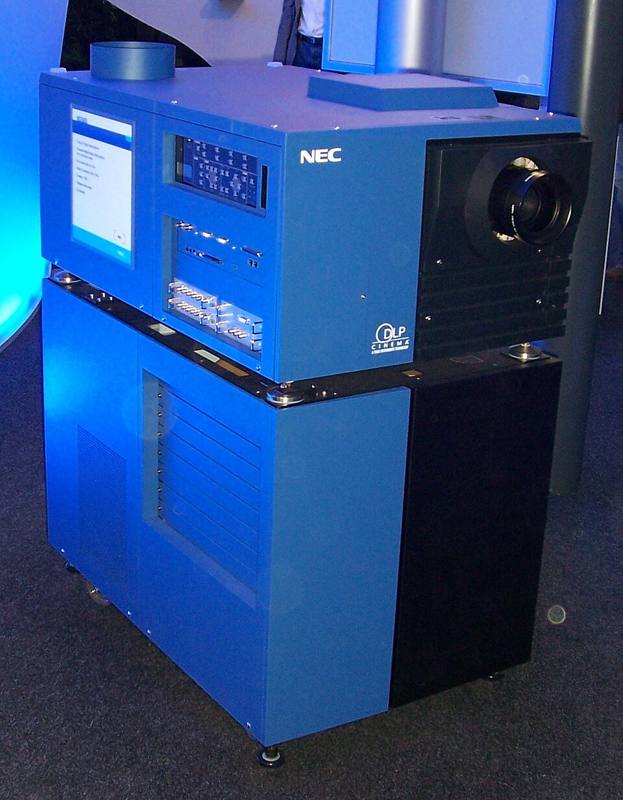
In 1999, a few cinemas showed Star Wars: Episode I with early digital projectors. In 2002 the major Hollywood studios formed Digital Cinema Initiatives (DCI), which published a technical specification in 2005. It defined:
- The Digital Cinema Package (DCP). A set of files containing the picture, sound and subtitles, usually delivered on a hard drive or downloaded.
- Resolution. 2K (2048 x 1080) and 4K (4096 x 2160) containers.
- Security. Films are encrypted, and each cinema receives a key that unlocks a film only for specific projectors and dates.
Converting a screen was expensive, so studios helped pay through "virtual print fees," passing on some of the money they saved by no longer making 35mm prints. Digital 3D, boosted by the success of Avatar in 2009, also encouraged cinemas to convert. By the early to mid 2010s, most screens in major markets had switched. See how projection works.
| 35mm film era | Digital era | |
|---|---|---|
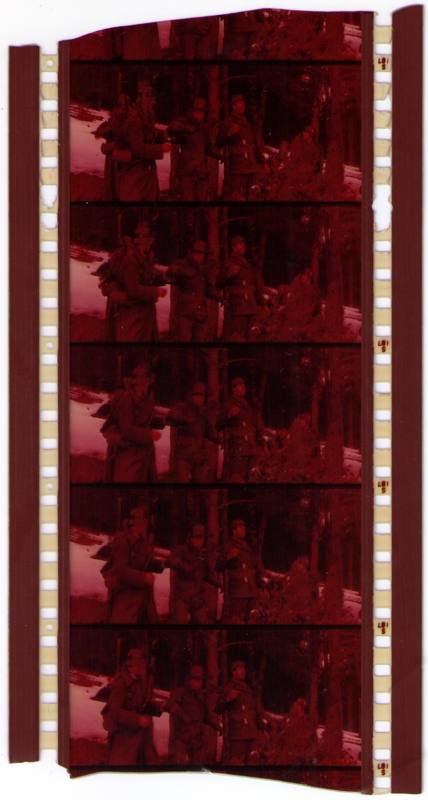
| Delivery | Heavy reels shipped to each cinema | Encrypted files on a drive or by download |
| Cost per copy | High for every print | Very low per copy |
| Wear | Prints scratched and faded with use | No wear: the last show looks like the first |
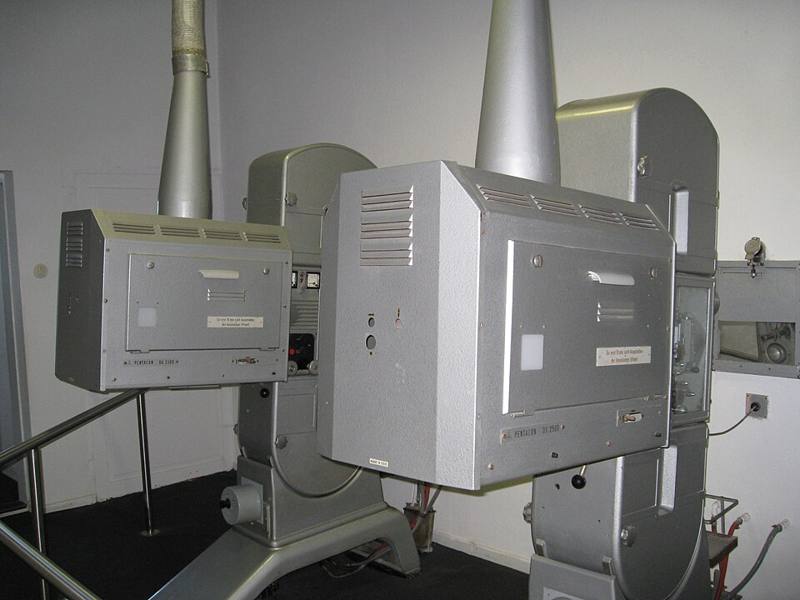
| Projection | Projectionist threads film by hand | Mostly automated playlists |
| Brightness and sharpness | Varied with print and lamp | Consistent; laser projectors now common |
Streaming changes home viewing
Home viewing had already moved from VHS tapes in the 1980s to DVDs in the late 1990s and Blu-ray in the 2000s. Netflix started in 1997 as a DVD-by-mail company and launched streaming in 2007. Its first major original series arrived in 2013, and soon streaming companies were financing and releasing feature films, including awards contenders.
Other media companies launched their own services, and by the early 2020s streaming had become the main way many people watched films at home.
The pandemic and release windows
For decades, a film played exclusively in cinemas for roughly three months or more before reaching home video. This gap is called the theatrical window. In 2020, cinemas around the world closed for months during the COVID-19 pandemic, and some studios released new films on streaming the same day as in cinemas, or skipped theaters entirely.
As cinemas reopened, windows settled at shorter and more flexible lengths, often around 45 days for many major releases, though it varies by studio, film and country. See how box office works.
Why cinemas are still here
Streaming did not end cinema. Instead, cinemas leaned into what home screens cannot easily match:
- Scale. IMAX and other large-format screens.
- Sound. Object-based systems like Dolby Atmos.
- Experience. Motion seats and side screens in 4DX and ScreenX, recliner seats and food service.
- The shared event. Opening nights, fan screenings and festivals.
What comes next
Laser projection, high frame rate and high dynamic range screens, virtual production stages with giant LED walls and AI tools in post-production are all reshaping the craft. The basic promise has not changed since the Lumiere brothers: a story, a big screen and a room full of people watching together.
If a film was shot on 70mm or IMAX film, some cinemas still project it on film. These screenings are rare, so check listings early and compare formats in seats and formats.