Film Guides / Film formats and cinema tech
3D, 4DX, ScreenX and premium formats compared
How 3D glasses work, what 4DX motion seats and ScreenX side screens add, and a side-by-side table of every premium cinema format.
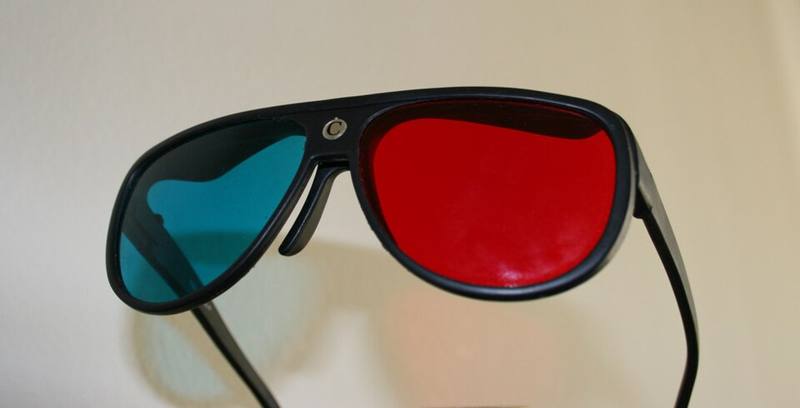
Modern cinemas sell several premium experiences on top of the standard ticket. Some improve picture and sound, others add physical effects or extra screens. This guide explains the immersive formats and finishes with a comparison of all the main options.
How 3D works
We see depth because our two eyes view the world from slightly different positions. 3D cinema shows a separate image to each eye. The glasses make sure each eye only sees its own image, and the brain combines them into one picture with depth.
| 3D method | How glasses separate the images | Notes |
|---|---|---|
| Anaglyph | Colored lenses, usually red and cyan | Used from early experiments; poor color |
| Polarized (linear or circular) | Each lens passes light polarized in a different direction | Used in the 1950s boom and most modern digital 3D, needs a special silver screen |
| Color filter (spectral) | Each lens passes slightly different bands of red, green and blue | Works on a normal white screen |
| Active shutter | Battery glasses rapidly black out each eye in turn | Synchronized to the projector |
A short history of 3D
- 1922: The Power of Love is widely cited as the first 3D feature shown to a paying audience. It is now considered lost.
- 1952 to 1954: a 3D boom in the United States, using polarized glasses, began with Bwana Devil (1952). It faded within a few years.
- 1980s: a smaller revival, mostly with horror films.
- Mid-2000s onward: digital projection made 3D much more reliable, because one digital projector could show both eye images precisely. Interest peaked around 2009 to 2010.
Today 3D is offered selectively, usually for animated films and big effects-driven releases. Digital 3D can look darker than 2D because the glasses block some light, which is one reason laser projection helps.
4DX
4DX was developed in South Korea and launched in 2009. It adds physical effects synchronized to the film:
- Seats that tilt, shake and vibrate in groups of four.
- Wind, water sprays, mist and bubbles.
- Scents, fog and flashes of light.
- Rain or snow effects in some auditoriums.
Each film is programmed by a team who decides where every effect goes. 4DX suits action, adventure and animation. Water effects can usually be switched off with a button on the seat.
Motion seats may not be suitable for pregnant guests, people with heart, back or neck conditions, or young children below the cinema's height limit. Check the cinema's guidance before booking.
ScreenX
ScreenX, also developed in South Korea and introduced in the early 2010s, extends the image onto the side walls of the auditorium, creating a panoramic view of up to 270 degrees. Extra projectors cover the walls. The side images are usually used for selected sequences, such as chases, flights and landscapes, while dialogue scenes remain on the main screen. Center seats give the most balanced view.
Premium formats compared
| Format | What you get | Best for | Watch out for |
|---|---|---|---|
| Standard 2D | Regular digital projection, 5.1 or 7.1 sound | Any film, best price | Screen size varies widely |
| IMAX | Very large screen, tall 1.43:1 or 1.90:1 image, IMAX sound | Films shot for IMAX, spectacle | Screen sizes differ between venues, see IMAX |
| Dolby Cinema | Laser HDR projection with deep blacks, Dolby Atmos | Dark, moody films, sound-rich films | Fewer locations |
| Other premium large format (PLF) | Cinema chains' own big-screen auditoriums, often with Atmos | Most blockbusters | Quality depends on the chain |
| 3D | Depth through glasses | Animation, effects-heavy films | Dimmer image, glasses over spectacles |
| 4DX | Motion seats and environmental effects | Action, adventure, theme-park style fun | Not ideal for dramas, health limits |
| ScreenX | 270-degree side-wall image | Spectacle sequences | Side images used only part of the time |
For sound formats in detail, see Dolby Atmos and cinema sound. For how to choose for a particular film, see choosing seats and formats.
Some cinemas combine formats, for example 4DX in 3D or ScreenX with Atmos. Combined formats can be thrilling, but for a first viewing of a story-driven film many fans choose the biggest, best-projected screen instead.