Cinema in Saudi Arabia
Public cinemas in Saudi Arabia reopened in April 2018 after about 35 years. Here is the history, how the market has grown, and the Saudi films and filmmakers to know.
Before 2018
Film has a longer history in Saudi Arabia than many people realize. In the 1930s, employees of the oil company Aramco set up screens in their residential compounds in Dhahran. From the 1950s, informal courtyard cinemas appeared in several cities, and in the 1970s some sports clubs showed films. Egyptian, Indian and other films were popular.
By the early 1980s public cinemas had closed, and for roughly 35 years there were no regular public movie theaters in the country. Audiences watched films on television, satellite channels, video and DVD, and many traveled to neighboring countries to see new releases on the big screen. One notable exception was an IMAX theater at a science center in Khobar, opened in 2005, which showed educational documentaries.
Saudi filmmakers kept working during this period, often making short films and showing their work at festivals abroad:
| Year | Milestone |
|---|---|
| 1950 | Al-Thubab, often cited as the first Saudi film |
| 1975 | Director Abdullah Al-Muhaisen makes a documentary about the development of Riyadh |
| 2006 | Keif al-Hal? is promoted as a Saudi feature and sparks public discussion about cinema |
| 2012 | Wadjda, directed by Haifaa al-Mansour, becomes the first feature film shot entirely in Saudi Arabia |
| 2016 | Barakah Meets Barakah, shot in Jeddah, premieres at the Berlin International Film Festival |
The 2018 reopening
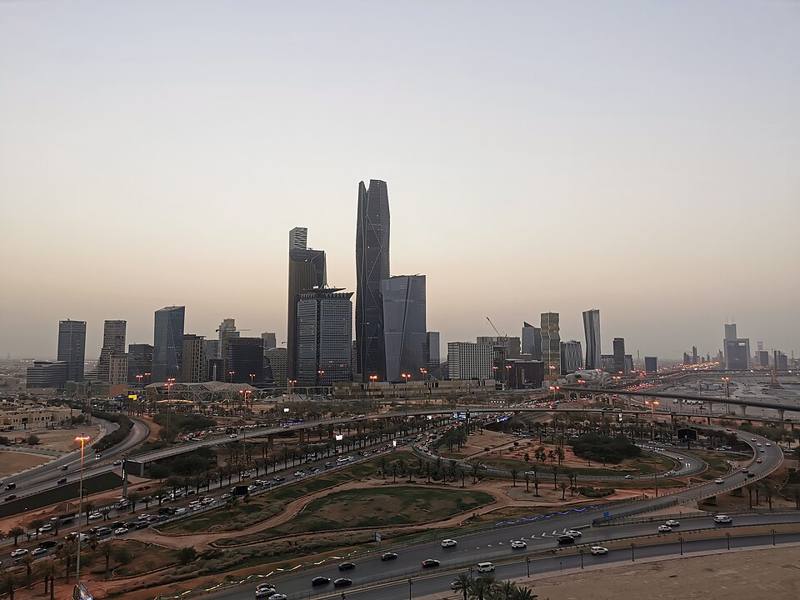
In December 2017 the authorities announced that licenses would be issued for public cinemas. On 18 April 2018 the first public screening of the new era took place in Riyadh, in a 620-seat auditorium in the King Abdullah Financial District, operated by AMC Theatres. The building had originally been designed as a concert hall.
Other operators followed quickly, including VOX Cinemas, Muvi Cinemas, Empire and Cinepolis, opening multiplexes in malls across Riyadh, Jeddah, Dammam, Khobar and other cities. Many sites opened with premium formats from day one, such as IMAX, Dolby Atmos, 4DX and ScreenX and luxury recliner halls. Learn how to choose between them in our guide to seats and formats.
How the market has grown
Within a few years Saudi Arabia became one of the largest cinema markets in the Middle East and North Africa by box office. The national target set out in the Quality of Life program is for more than 300 cinemas and over 2,000 screens by 2030. Films are classified by age rating before release, and both local and imported films go through a review process.
Key institutions supporting the sector include:
- The Film Commission, under the Ministry of Culture, which supports production, training and funding programs.
- The Red Sea Film Foundation, which runs the Red Sea International Film Festival in Jeddah and a fund for Arab and African filmmakers.
- Film AlUla, which promotes the AlUla region as a filming location, with its desert landscapes and studio facilities.
- The Saudi Film Festival, held in Dhahran and one of the longest-running film events in the country.
Saudi films to know
Saudi features now premiere at international festivals and play in local cinemas:
- Wadjda (2012): a girl in Riyadh dreams of owning a bicycle.
- Barakah Meets Barakah (2016): a romantic comedy set in Jeddah.
- Norah (2023): directed by Tawfik Alzaidi and shot entirely in AlUla, it became the first Saudi film selected for the Cannes Film Festival, in the Un Certain Regard section in 2024.
- Hijra (2025): directed by Shahad Ameen, it won awards at the 2025 Red Sea International Film Festival.
Local comedies have also performed strongly at the Saudi box office, showing that home-grown stories can compete with international releases.
Many Saudi cinemas list films with Arabic and English subtitles. Check the language and subtitle details on your ticket before booking, especially for international releases.
Why it matters for moviegoers
The reopening created a brand-new cinema culture almost overnight. Audiences who grew up watching films at home now have some of the newest auditoriums in the world, and a fast-growing generation of Saudi writers, directors and crews is learning the craft. To understand how the films get made, start with our guide to film development, and to place Saudi cinema in its regional story, read Egyptian and Arab cinema.