Film Guides / How movies are made
Development, where every movie begins
Before a single camera rolls, a film needs an idea, rights, a script and money. Here is how development works and why most projects never leave it.
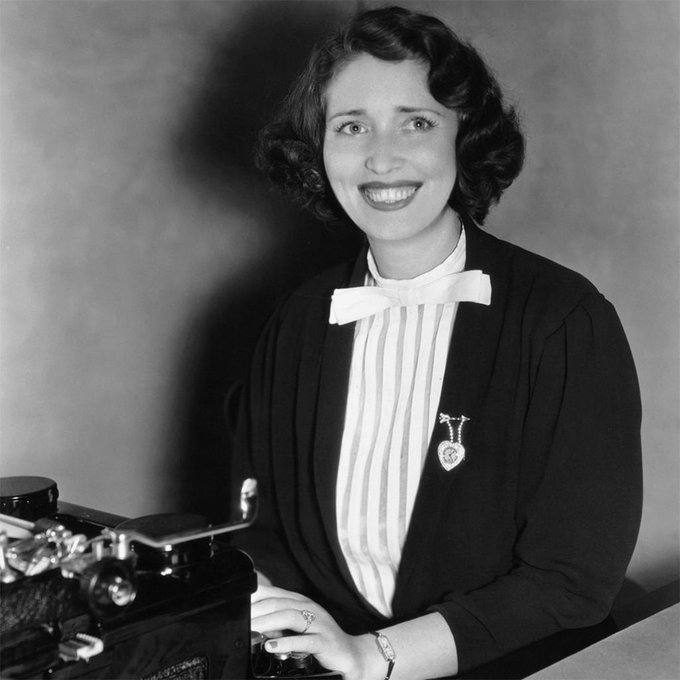
Every film you see in a cinema went through a stage that audiences never see: development. It is the period when a project is only words on paper and promises on a spreadsheet. It can last a few months or more than a decade, and the industry has a name for projects stuck there: development hell.
The five stages of a film
Filmmakers usually divide a production into five broad stages. Development is the first.
| Stage | What happens | Typical length |
|---|---|---|
| Development | Idea, rights, screenplay, early budget, financing | Months to years |
| Pre-production | Hiring, casting, locations, schedule, design | Weeks to months |
| Production | Principal photography on set or location | Weeks to months |
| Post-production | Editing, sound, VFX, color, music | Months |
| Distribution | Marketing, release in cinemas and on other platforms | Ongoing |
The middle stages are covered in pre-production and the guides that follow it.
Where the idea comes from
A film starts from one of two places:
- Original ideas: a writer or director has a story nobody has told on screen. The writer may write a full script "on spec", meaning without being paid, and then try to sell it.
- Existing material: a novel, a play, a true story, a comic, a video game or an older film to remake. Here the first job is to secure the rights.
Producers often take an option on a book or article. An option is a payment for the exclusive right to develop that material for a set period, commonly one to two years, with the right to buy it outright later. If the film does not get made, the rights go back to the author when the option expires.
Writing the screenplay
A screenplay has a strict layout that makes it easy to budget and schedule. Scene headings say whether a scene is interior or exterior, where it is and whether it is day or night, for example INT. CINEMA LOBBY - NIGHT. Action lines are written in the present tense, and dialogue sits centered under the character name.
In the standard format, one page roughly equals one minute of screen time, so a 110-page script suggests a film of a little under two hours. Writers usually move through these documents:
- Logline: one or two sentences that sell the story.
- Synopsis or treatment: a few pages telling the story in prose.
- First draft: the full screenplay.
- Rewrites: often many, sometimes by new writers. On studio films several writers may work on one script, and guild rules decide who receives the final on-screen credit.
Script pages that change during production are printed on colored paper (blue, pink, yellow and so on) so everyone can see which revision they are holding.
Packaging and financing
A script alone rarely gets made. Producers build a package: the script plus a director and one or more actors whose names help raise money. With a package, the producer approaches financiers.
Common sources of money include:
- Studios, which may pay for everything in exchange for ownership and worldwide rights.
- Pre-sales, where distributors in different countries pay in advance for the right to release the film in their territory.
- Tax incentives and rebates, offered by many countries and states to attract filming. Saudi Arabia, the UK, Canada and many US states run such programs.
- Equity investors and gap loans for independent films.
- Co-productions between companies in two or more countries, common in European and Arab cinema.
The greenlight
The moment a financier formally approves a film's budget and start date is called the greenlight. For a studio this usually needs an approved script, a budget, a schedule, key cast attached and a release plan. Once a project is greenlit, money starts flowing and the film enters pre-production.
Why most projects stall
Many more scripts are written and optioned than are ever made. Typical reasons:
- The rights expire before the money is raised.
- A key actor or director leaves to make another film.
- The budget comes in higher than the expected return. See how the box office works for why studios think so hard about cost.
- Audience taste moves on, for example when a similar film flops.
When you see "based on the novel by" in the credits, that film started with an option. Reading the source after the screening is a great way to see what development changed.