Film Guides / How movies are made
Film scoring
How film music is written, recorded and placed, from live pianists in silent cinemas to full orchestras and electronic scores.
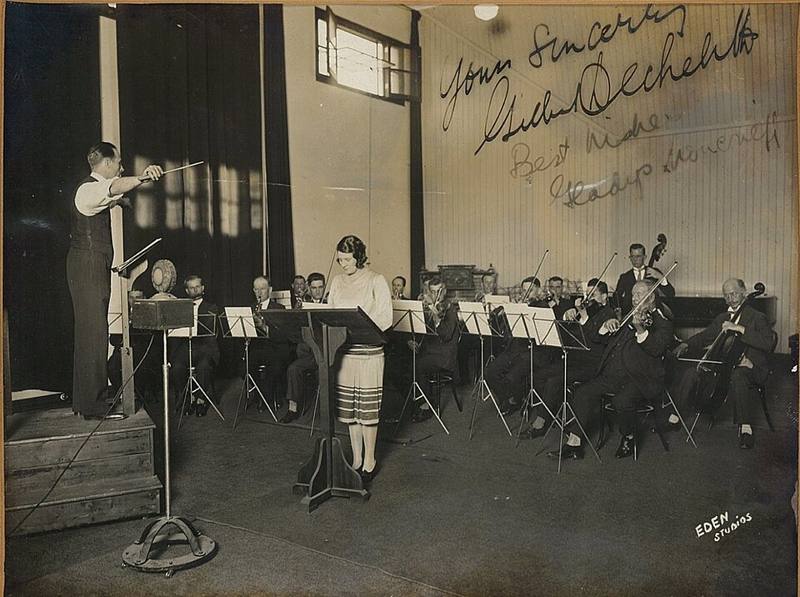
Music tells the audience how to feel, often before they realize it. A film's music has two parts: the score, original music written for the film, and the soundtrack songs, existing or new songs placed in scenes. This guide focuses on the score.
Music before sound film
Silent films were almost never shown in silence. Cinemas employed pianists, organists or full orchestras who played along. Some films had specially written scores; many were accompanied with cue sheets suggesting suitable pieces for each scene. See the silent era. When synchronized sound arrived in the late 1920s (see the talkies), music could be recorded once and play identically in every cinema.
How a score is made
- Spotting session: the composer, director and music editor watch the film and decide where music starts and stops, and what each cue should do.
- Writing: the composer writes themes and individual cues to precise timings, often using digital mockups so the director can hear ideas before any orchestra is booked.
- Orchestration: orchestrators expand the composer's sketches into full parts for each instrument.
- Recording: musicians record to picture on a scoring stage, guided by click tracks and timing marks so the music lines up with the edit.
- Mixing: the music is mixed and delivered as separate layers so the final sound mix can balance it with dialogue and effects.
The film is usually at or near picture lock before the main recording, because every cut changes the timing.
Key ideas in film music
| Term | Meaning |
|---|---|
| Cue | One continuous piece of music in the film |
| Theme | A recognizable melody, often tied to a character or idea |
| Leitmotif | A theme that returns and changes as a character or idea develops |
| Diegetic music | Music the characters can hear, like a band in the scene |
| Non-diegetic music | Score only the audience hears |
| Temp track | Temporary music used during editing |
| Stinger | A short, sharp musical hit for a surprise or scare |
| Underscore | Quiet music under dialogue that supports emotion |
Styles of scoring
- Classic symphonic: large orchestra with strong melodic themes, the dominant Hollywood style from the 1930s onward and revived strongly in the blockbuster era of the late 1970s.
- Electronic and synthesizer scores: popular from the 1970s and 1980s and now common across genres.
- Hybrid: orchestra blended with synths, percussion and sound design, typical of modern action films.
- Minimalist: repeating patterns that build tension slowly.
- Song-led: in Bollywood and musicals, songs are part of the storytelling and often released before the film.
Temp love
Editors and directors often fall in love with the temp track used during editing. Composers then face the challenge of writing something original that works just as well without copying it.
How to listen like a composer
- Notice when music starts. Many cues begin just before an emotional turn, not after it.
- Listen for a theme returning at the end in a new key or instrument; it signals change.
- Notice silence. Removing music at the key moment can be the most powerful choice of all.
Major awards such as the Oscars have separate categories for original score and original song.