Film Guides / How movies are made
Roles on a film crew, explained
Gaffer, key grip, best boy, script supervisor: what the jobs in the end credits really mean, department by department.
The end credits of a big film can run for ten minutes, and many of the job titles sound like riddles. Each one exists for a reason. A film set is organized into departments, each led by a head of department who answers to the director and producers.
The leadership team
- Director: responsible for the creative vision. Works with actors, decides how each scene is staged and shot, and supervises the edit.
- Producer: responsible for the film as a whole: money, schedule, hiring and delivery. Credits such as executive producer, co-producer and line producer reflect different shares of that work. The line producer runs the day-to-day budget.
- Screenwriter: writes the script, sometimes staying on during the shoot for rewrites. See development.
The big crew table
| Role | Department | What they do |
|---|---|---|
| Director of photography (DP, cinematographer) | Camera | Designs the look of every shot: lenses, framing, camera movement and lighting |
| Camera operator | Camera | Physically operates the camera during takes |
| 1st assistant camera (focus puller) | Camera | Keeps the image sharp as actors and camera move |
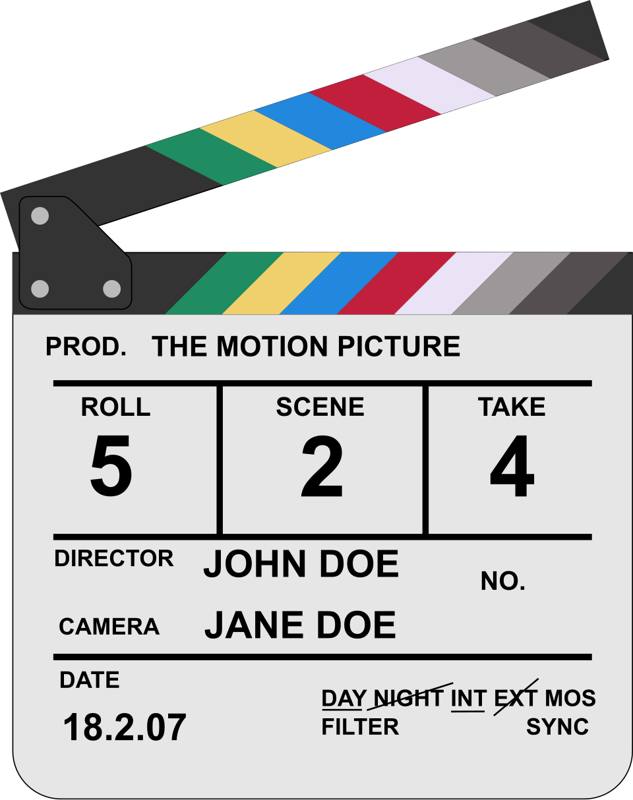
| 2nd assistant camera (clapper loader) | Camera | Slates each take with the clapperboard, manages media or film stock |
| DIT (digital imaging technician) | Camera | Checks, backs up and color-manages digital footage on set |
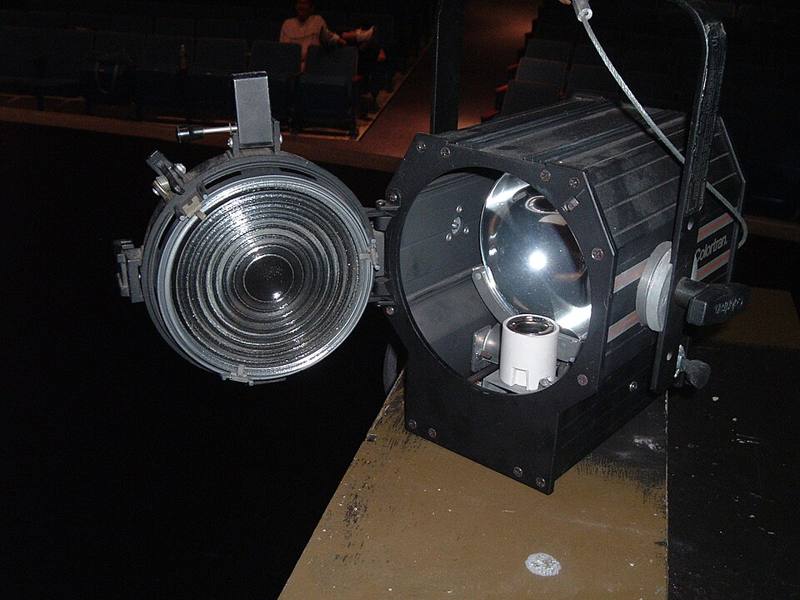
| Gaffer | Electric | Chief lighting technician, builds the lighting plan with the DP |
| Best boy electric | Electric | The gaffer's second in command, runs the electric crew and gear |
| Key grip | Grip | Leads the grips, who rig camera support, dollies, cranes and light-shaping frames |
| Best boy grip | Grip | The key grip's second in command |
| Dolly grip | Grip | Pushes the camera dolly so moves land exactly on cue |
| Production sound mixer | Sound | Records dialogue on set |
| Boom operator | Sound | Holds the microphone pole just out of frame |
| Production designer | Art | Designs the overall look of sets and locations |
| Art director | Art | Manages the art department and set construction |
| Set decorator | Art | Furnishes and dresses each set |
| Prop master | Art | Sources and tracks every object actors handle |
| Costume designer | Wardrobe | Designs and sources the costumes |
| Hair and makeup artists | Makeup | Create and maintain looks, including special effects makeup |
| First assistant director (1st AD) | Production | Runs the set and the schedule, calls "rolling" and keeps the day on time |
| Script supervisor | Production | Tracks continuity and what was shot in every take |
| Location manager | Locations | Secures locations and manages permits and neighbors |
| Stunt coordinator | Stunts | Designs and supervises stunts with safety as the first priority |
"Best boy" is a traditional title for the second in command of the electric or grip department, and it is used whatever the person's gender.
Grips versus electrics
The split confuses many viewers. A simple rule: electrics handle anything that makes light and the power that feeds it. Grips handle anything that supports the camera or shapes light without being electric, such as flags, frames, diffusion and stands. Read more in lighting.
Post-production roles
After the shoot, a new set of names takes over:
- Editor: assembles the film from the footage. See editing.
- Supervising sound editor and re-recording mixers: build and balance every sound you hear. See sound.
- VFX supervisor: oversees visual effects from planning to final shots. See visual effects.
- Colorist: sets the final color and contrast. See color grading.
- Composer: writes the score. See film scoring.
How big is a crew?
Crew size varies enormously. A micro-budget independent film may shoot with fewer than 20 people. A large studio production can employ hundreds on set and many hundreds more in post-production and visual effects studios around the world. That is why the credits for effects-heavy films are so long.
Stay for the credits once and read the department headings. You will start recognizing the same structure in every film, from small dramas to the biggest blockbusters.