Egyptian and Arab cinema
For decades Cairo was the film capital of the Arab world. Discover the golden age of Egyptian cinema, Studio Misr, and the rich film traditions of the wider region.
Cairo, the Hollywood of the Arab world
Film arrived in Egypt almost as soon as it was invented: Lumiere programs were shown in Alexandria and Cairo in 1896, within about a year of the first paid screenings in Paris (see the Lumiere brothers). Over the following decades Egypt built the largest and most productive film industry in the Arab world.
Because Egyptian films were shown across the region for generations, Egyptian Arabic became the most widely understood Arabic dialect on screen, and Egyptian stars became household names from Morocco to the Gulf.
Studio Misr and the rise of the industry
Early milestones include Laila (1927), often cited as one of the first Egyptian feature films and produced by the actress Aziza Amir, a pioneer among women producers. Sound arrived in the early 1930s, and with it a wave of musical films. Singers such as Mohamed Abdel Wahab and Umm Kulthum starred in films whose songs were as important as the stories. Read about the global shift to sound in our guide to the talkies.
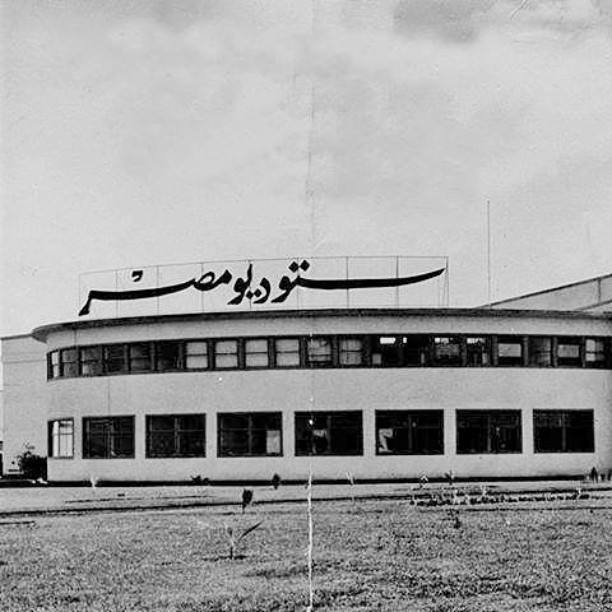
The key turning point was the founding of Studio Misr in 1935, created with backing from Banque Misr, the bank established by economist Talaat Harb. Studio Misr gave Egypt a modern, fully equipped studio with laboratories, sound stages and trained technicians. It sent young Egyptians abroad to study filmmaking and became a training ground for directors, cinematographers and editors for decades.
The golden age
Film historians generally place the golden age of Egyptian cinema from the 1940s to the 1960s. Studios in Cairo turned out dozens of films a year in every genre: melodramas, musicals, comedies, crime films and literary adaptations.
| Name | Known for |
|---|---|
| Youssef Chahine | Director of Cairo Station (1958) and many acclaimed films; honored with a lifetime award at Cannes in 1997 |
| Salah Abu Seif | Director known as a master of realist drama |
| Henry Barakat | Director of popular melodramas and literary adaptations |
| Faten Hamama | One of the most celebrated actresses in Arab film history |
| Omar Sharif | Began in Egyptian cinema before becoming an international star |
| Soad Hosny | Star of musicals and comedies of the 1960s and 1970s |
| Mohamed Abdel Wahab | Singer and composer whose films helped define the musical genre |
The novels of Naguib Mahfouz, who won the Nobel Prize in Literature in 1988, were adapted many times, and Mahfouz himself wrote screenplays.
The Cairo International Film Festival, first held in 1976, is one of the oldest internationally accredited film festivals in the Arab world and Africa.
The wider Arab film map
Egypt was the center, but many countries developed strong film cultures of their own:
- Lebanon: a hub for co-productions and auteur films. Nadine Labaki's Capernaum (2018) won the Jury Prize at Cannes and was nominated for an Oscar.
- Tunisia: home of the Carthage Film Festival, founded in 1966 and one of the oldest film festivals in Africa and the Arab world.
- Morocco: its landscapes and studios near Ouarzazate have hosted many international productions, and the Marrakech International Film Festival began in 2001.
- Algeria: Mohammed Lakhdar-Hamina won the Palme d'Or in 1975, still the only Palme for an Arab director.
- Jordan: Theeb (2014), a desert adventure, received an Academy Award nomination for Best Foreign Language Film.
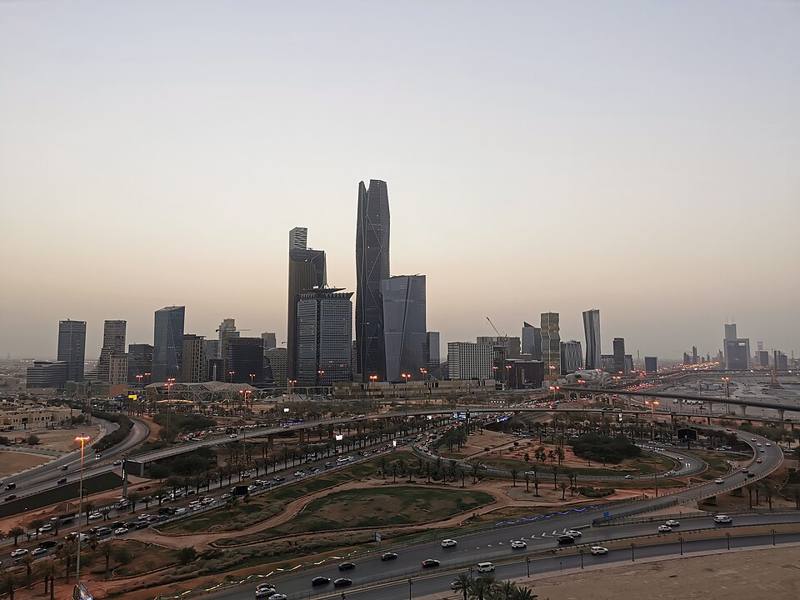
- The Gulf: newer industries are growing quickly, with film funds, festivals and studios in the UAE, Qatar and Saudi Arabia, where cinemas reopened in 2018.
What to watch first
| Film | Year | Country | Why watch |
|---|---|---|---|
| Cairo Station | 1958 | Egypt | A tense, modern drama from Youssef Chahine |
| The Night of Counting the Years | 1969 | Egypt | Shadi Abdel Salam's visually stunning classic |
| Theeb | 2014 | Jordan | A coming-of-age story in the desert |
| Capernaum | 2018 | Lebanon | A powerful street-level drama |
| Wadjda | 2012 | Saudi Arabia | The first feature shot entirely in Saudi Arabia |
Many classic Egyptian films have been restored in recent years and screen at festivals such as the Red Sea International Film Festival and the Cairo festival, so look for them on the big screen.