The French New Wave
In the late 1950s a group of young Paris critics picked up lightweight cameras and broke nearly every rule of filmmaking. Here is what they did and why it still matters.
Critics who became directors
The French New Wave (in French, la Nouvelle Vague) was a burst of filmmaking in France between roughly 1958 and the mid-1960s. Its best-known directors, including Francois Truffaut, Jean-Luc Godard, Claude Chabrol, Eric Rohmer and Jacques Rivette, started out as critics at the film magazine Cahiers du cinema, founded in 1951 and associated with the critic Andre Bazin.
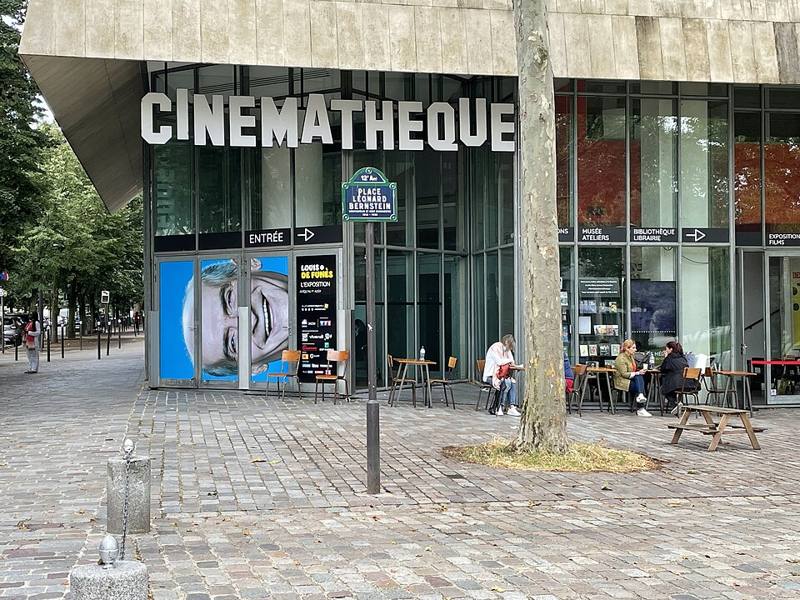
They spent their youth watching films at the Cinematheque francaise, the archive and screening space founded in 1936 by Henri Langlois and others. There they saw everything from silent classics to Hollywood thrillers, and they came to believe that the best films carried the personal stamp of their director.
The auteur idea
In a famous 1954 essay, Truffaut attacked what he called the "tradition of quality" in French cinema: polished literary adaptations that he felt were written by screenwriters and merely illustrated by directors. The critics instead championed directors who expressed a consistent personal vision across many films, even inside the Hollywood studio system. Alfred Hitchcock and Howard Hawks were among their heroes.
This became known as the politique des auteurs, later popularized in English as the auteur theory: the idea that the director is the true author of a film. It is still the lens through which much film criticism and many festival programs are organized.
The breakthrough years
| Film | Year | Director | Notable for |
|---|---|---|---|
| La Pointe Courte | 1955 | Agnes Varda | An early forerunner shot on location in a fishing town |
| Le Beau Serge | 1958 | Claude Chabrol | Often called the first New Wave feature |
| The 400 Blows | 1959 | Francois Truffaut | Won Best Director at Cannes in 1959 |
| Hiroshima mon amour | 1959 | Alain Resnais | Bold time-shifting structure |
| Breathless | 1960 | Jean-Luc Godard | Jump cuts and handheld street shooting |
| Cleo from 5 to 7 | 1962 | Agnes Varda | Follows a singer through Paris in near real time |
| Jules and Jim | 1962 | Francois Truffaut | Freewheeling style and voice-over |
The success of The 400 Blows at Cannes in 1959 showed producers that young, inexpensive films could win prizes and find audiences, and dozens of first features followed.
The New Wave style
New Wave films looked and felt different from the studio pictures of the time:
- Location shooting in the streets and apartments of Paris, using available light whenever possible.
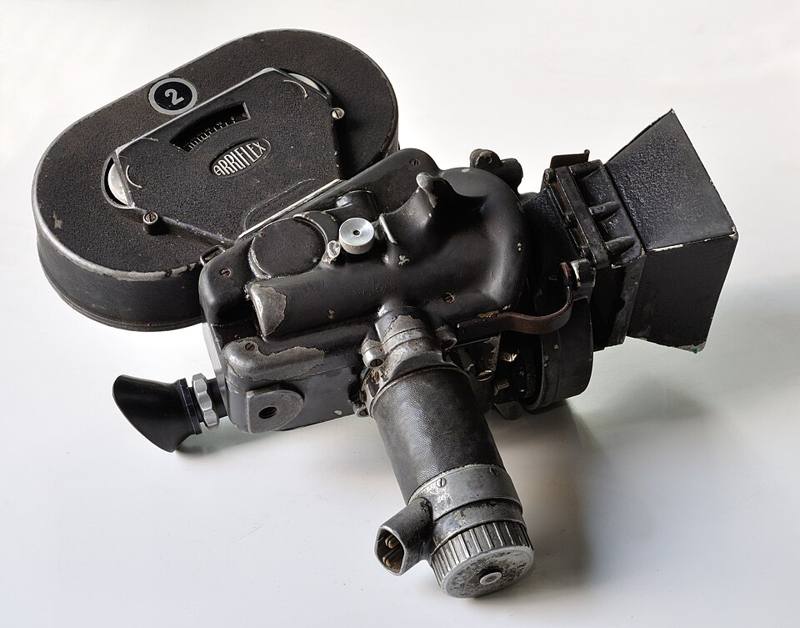
- Lightweight equipment. Portable 35mm cameras let crews shoot handheld and move fast. You can learn more in our guide to cameras and lenses.
- Jump cuts. Breathless famously cuts within a single shot, skipping moments of time. It broke the rule of invisible, smooth editing and became one of the most imitated techniques in cinema.
- Small crews and young actors, including Jean-Paul Belmondo, Jeanne Moreau, Anna Karina and Jean-Pierre Leaud.
- Playful references to other films, direct address to the camera and sudden shifts in tone.
- Personal subjects: love, youth, friendship and life in the city, rather than grand historical drama.
Cinematographer Raoul Coutard, who shot many Godard and Truffaut films, became famous for making fast, cheap shooting look elegant.
Left Bank and beyond
Alongside the Cahiers critics, a loosely connected "Left Bank" group, including Agnes Varda, Alain Resnais and Chris Marker, made films with a more literary and documentary-minded approach. Varda in particular kept working for six more decades and became one of the most admired directors in the world.
Why it still matters
The New Wave changed filmmaking far beyond France:
- It proved that low budgets and small crews could produce internationally celebrated films.
- It made the director a star and gave critics a vocabulary for discussing authorship.
- Its techniques fed directly into New Hollywood, where directors such as Martin Scorsese and Arthur Penn openly drew on it.
- Independent filmmakers everywhere, from the 1990s indie boom to today's digital features, still follow its spirit of shooting quickly with what you have.
Start with The 400 Blows, then Cleo from 5 to 7, then Breathless. Watching them in that order shows the range of the movement, from heartfelt to experimental.
The New Wave also built on the work of the Italian neorealists, whom the young French critics admired, especially Roberto Rossellini.