Film Guides / Awards and festivals
The Berlin International Film Festival explained
The Berlinale is the big European festival that ordinary film fans can actually attend. Learn its sections, the Golden and Silver Bears, and how it compares with Cannes and Venice.
A public festival
The Berlin International Film Festival, known as the Berlinale, was founded in 1951 and takes place every February in Berlin. It is one of the "big three" European festivals alongside Cannes and Venice, but it has a very different character: it is the largest public film festival in the world by audience, selling hundreds of thousands of tickets to ordinary moviegoers every year.
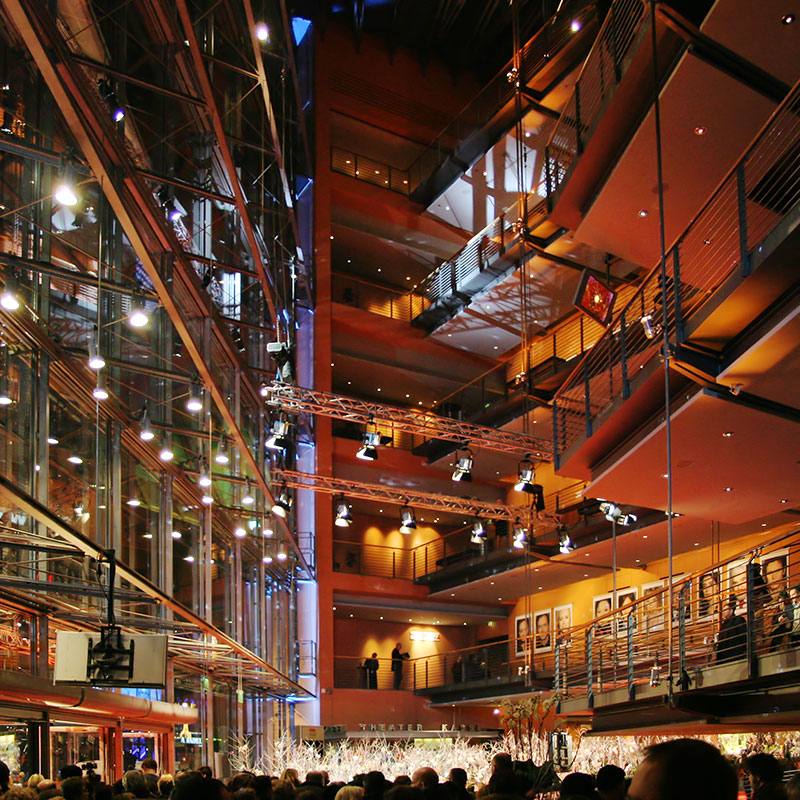
Screenings are spread across cinemas all over the city, but the center of the festival is Potsdamer Platz, where the Berlinale Palast, a large theater that becomes the festival's premiere hall each February, hosts the gala premieres. It has been the main venue since 2000.
The sections
The Berlinale shows a very large program, organized into sections with different purposes.
| Section | What it shows |
|---|---|
| Competition | The main selection, competing for the Golden and Silver Bears |
| Berlinale Special | Gala premieres and special events outside the competition |
| Perspectives | A competition for first feature films |
| Panorama | Bold independent and arthouse films, with an audience award |
| Forum | Experimental, essay and avant-garde cinema, a section founded in 1971 |
| Generation | Films for and about children and teenagers, judged by young juries |
| Berlinale Shorts | Short films competing for their own bears |
| Berlinale Classics and Retrospective | Restored classics and themed history programs |
Behind the scenes, the European Film Market is one of the world's busiest film markets, and Berlinale Talents brings together hundreds of emerging filmmakers for workshops each year.
The bears
An international jury awards the main prizes, named after the bear on Berlin's coat of arms.
- Golden Bear: best film.
- Silver Bear Grand Jury Prize: the second prize.
- Silver Bear Jury Prize: a further award for an outstanding film.
- Silver Bears for Best Director and Best Screenplay.
- Silver Bears for Best Leading Performance and Best Supporting Performance: since 2021 these acting awards have been gender-neutral, a change that drew wide attention in the film world.
- Silver Bear for Outstanding Artistic Contribution: often given for cinematography, editing, music or design.
- Honorary Golden Bear: for a lifetime of work.
Other juries give awards in the Generation, Shorts and Perspectives sections, and independent awards such as the Teddy Award, given since 1987, are presented during the festival.
Berlin and new voices
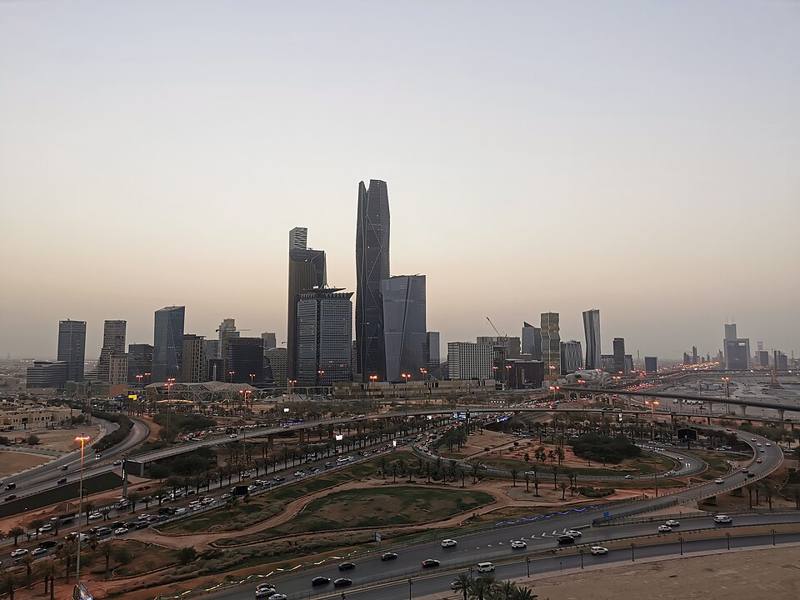
The Berlinale has a reputation for discovering filmmakers from around the world and for programming films that tackle social themes. It has premiered many debut films and been an important stage for Asian, Latin American, African and Arab cinema. For example, Barakah Meets Barakah, shot in Jeddah, premiered there in 2016. Read about it in our guide to cinema in Saudi Arabia.
The big three compared
| Venice | Cannes | Berlin | |
|---|---|---|---|
| First held | 1932 | 1946 | 1951 |
| Usual month | Late August to early September | May | February |
| Top prize | Golden Lion | Palme d'Or | Golden Bear |
| Acting prizes | Volpi Cups | Best Actress and Best Actor | Gender-neutral Silver Bears |
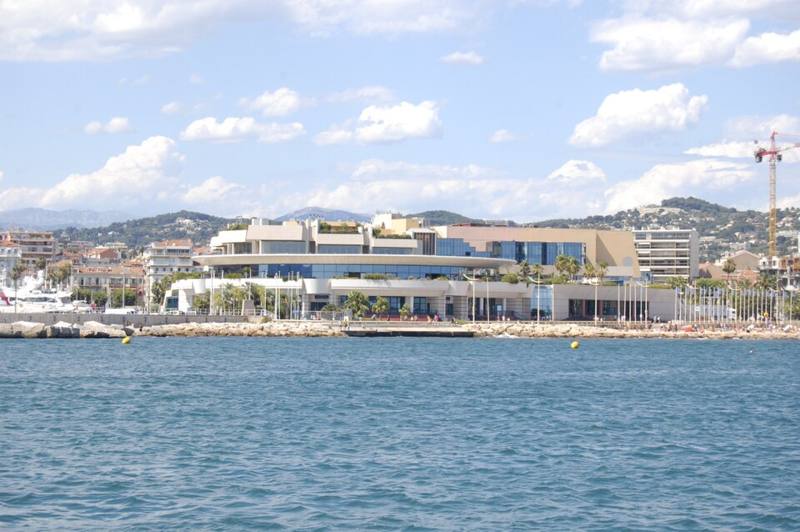
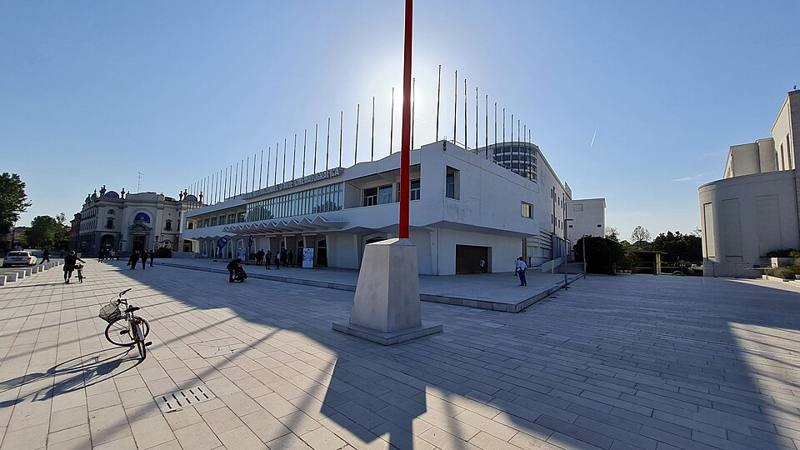
| Main venue | Palazzo del Cinema, Lido | Palais des Festivals, Croisette | Berlinale Palast, Potsdamer Platz |
| Public access | Tickets on sale for many screenings | Mostly accredited guests, free beach screenings | Large public ticket sales |
| Film market | Venice Production Bridge | Marche du Film | European Film Market |
How to attend as a film fan
- Watch the program announcements in January, when sections are revealed.
- Buy tickets online as soon as sales open, usually a few days before each screening. Popular premieres sell out in minutes.
- Try smaller sections. Forum, Panorama and Generation screenings are easier to get into and often include Q&A sessions with directors.
- Dress for winter. Berlin in February is cold, and you may queue outside.
- Follow festival etiquette. Phones off, stay for the Q&A, and applaud the team. Our cinema etiquette guide covers the basics.
Generation screenings are a great way to introduce children and teenagers to world cinema, with films chosen especially for young audiences.