Film Guides / Awards and festivals
The Venice Film Festival explained
Venice is the oldest film festival in the world. Here is how it works, what the Golden Lion and Volpi Cup are, and why its late-summer premieres so often lead to awards season success.
The oldest film festival
The Venice International Film Festival was first held in 1932, making it the oldest film festival in the world. It is part of the Venice Biennale, the arts organization that also runs major exhibitions of contemporary art and architecture and festivals of music, theater and dance.
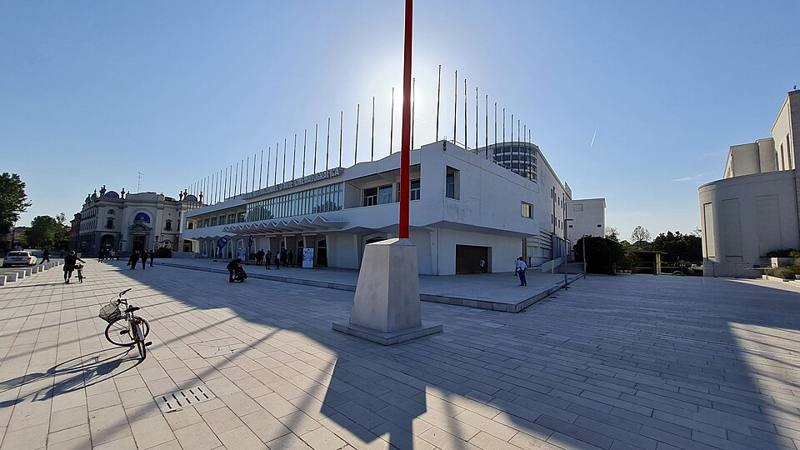
The festival takes place every year from late August to early September on the Lido, a long, narrow island across the lagoon from the historic center of Venice. Guests arrive by water bus or water taxi, which gives Venice premieres a glamour all their own.
The main venue is the Palazzo del Cinema, opened in 1937, whose Sala Grande hosts the gala premieres. Other screening rooms nearby, such as the Sala Darsena, host press and public screenings.
The sections
| Section | What it is |
|---|---|
| Venezia (Competition) | The main competition, usually around 20 films, competing for the Golden Lion |
| Out of Competition | Major premieres, documentaries and special events |
| Orizzonti (Horizons) | Competition for new trends and more experimental work |
| Venice Classics | Restored classics and documentaries about film history |
| Venice Immersive | Competition for virtual reality and immersive works |
| Independent sections | The Venice Days and International Film Critics' Week run alongside the festival |
The prizes
An international jury chooses the main awards:
- Golden Lion (Leone d'Oro): the top prize for best film.
- Grand Jury Prize: the second most important award.
- Silver Lion: for Best Director.
- Volpi Cup: the acting prizes, one for best actress and one for best actor, named after Count Giuseppe Volpi, the festival's founding president.
- Marcello Mastroianni Award: for the best young actor or actress.
- Lion of the Future: the Luigi De Laurentiis award for the best debut feature across the festival's sections.
- Golden Lion for Lifetime Achievement: honorary awards for veteran filmmakers and actors.
Venice and awards season
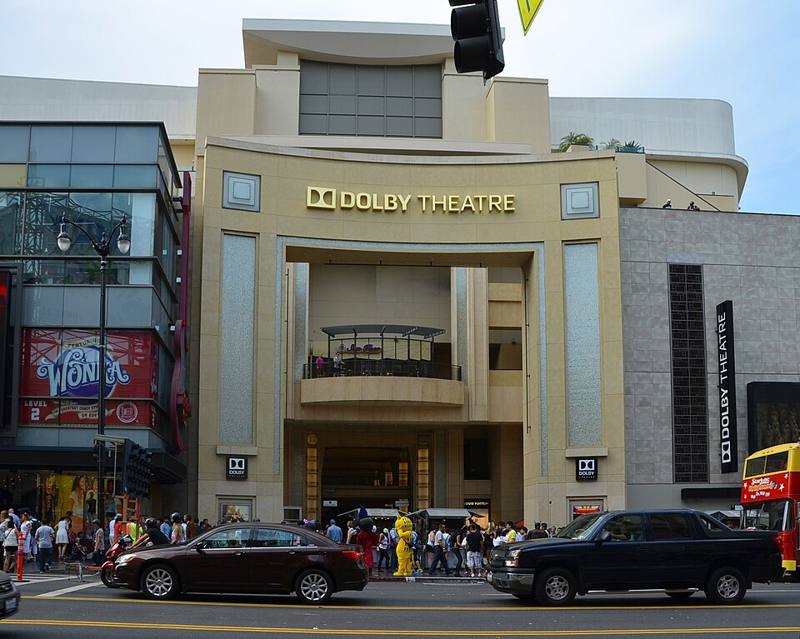
Because it falls at the start of September, Venice has become one of the key launch points for the Oscar race. Studios like premiering prestige films there because the timing gives them months of publicity before voting begins.
| Golden Lion winner | Festival year | Later Oscar result |
|---|---|---|
| The Shape of Water | 2017 | Won Best Picture |
| Roma | 2018 | Won Best Director and Best Foreign Language Film |
| Joker | 2019 | Won Best Actor |
| Nomadland | 2020 | Won Best Picture |
| Poor Things | 2023 | Won Best Actress |
Moments that changed cinema
Venice has a proud record of introducing the world to new film cultures:
- Japanese cinema: Akira Kurosawa's Rashomon won the Golden Lion in 1951 and introduced many Western audiences to Japanese film.
- Italian cinema: Venice was a showcase for Italian directors after the era of neorealism, and later for Michelangelo Antonioni, Luchino Visconti and others.
- Chinese-language cinema: Zhang Yimou's The Story of Qiu Ju (1992) and Hou Hsiao-hsien's A City of Sadness (1989) both won the Golden Lion.
- Immersive media: Venice was one of the first major festivals to give virtual reality its own competition.
Unlike some festivals, Venice sells tickets to many screenings to the public. Daily tickets and passes are available through the Biennale, and the Lido has a relaxed seaside atmosphere between screenings.
How it compares
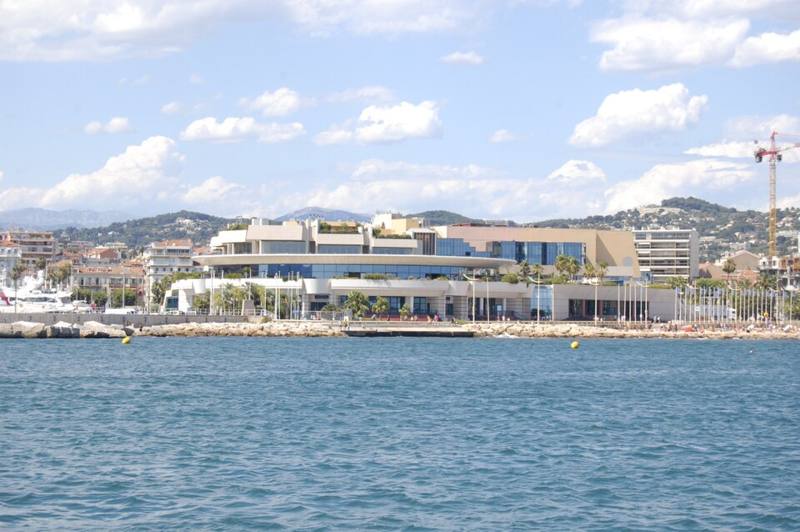
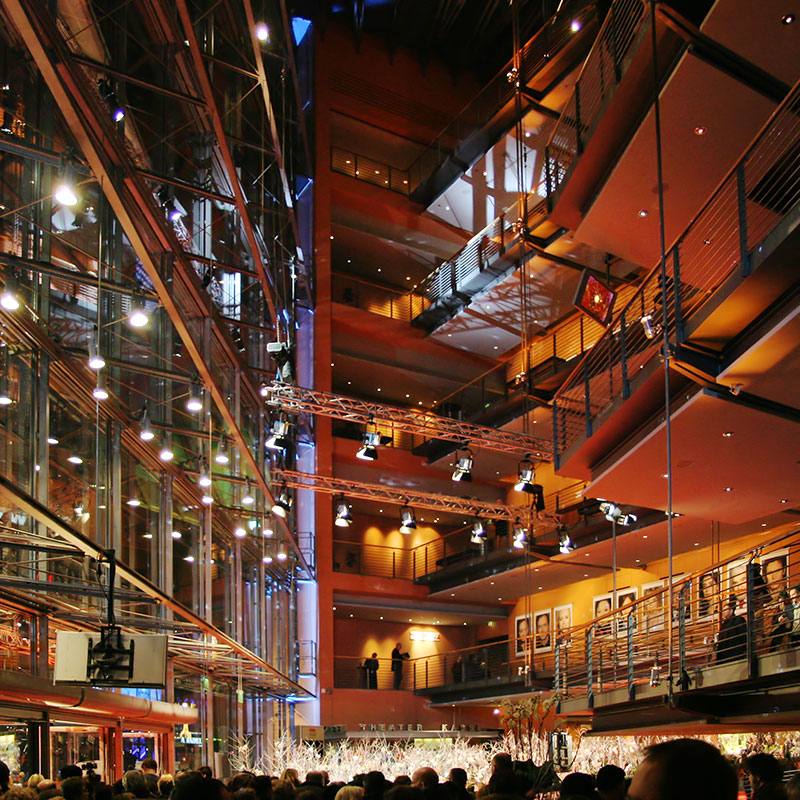
Venice is the oldest of the "big three" European festivals. Cannes, in May, is larger and more industry-focused; Berlin, in February, is the most public. Together they shape which international films reach cinemas around the world each year.